Rohtasgarh Fort Must visit
A huge hill fort on the Kaimur plateau, with palaces and gateways from Man Singh's time and wide views over the Son valley.
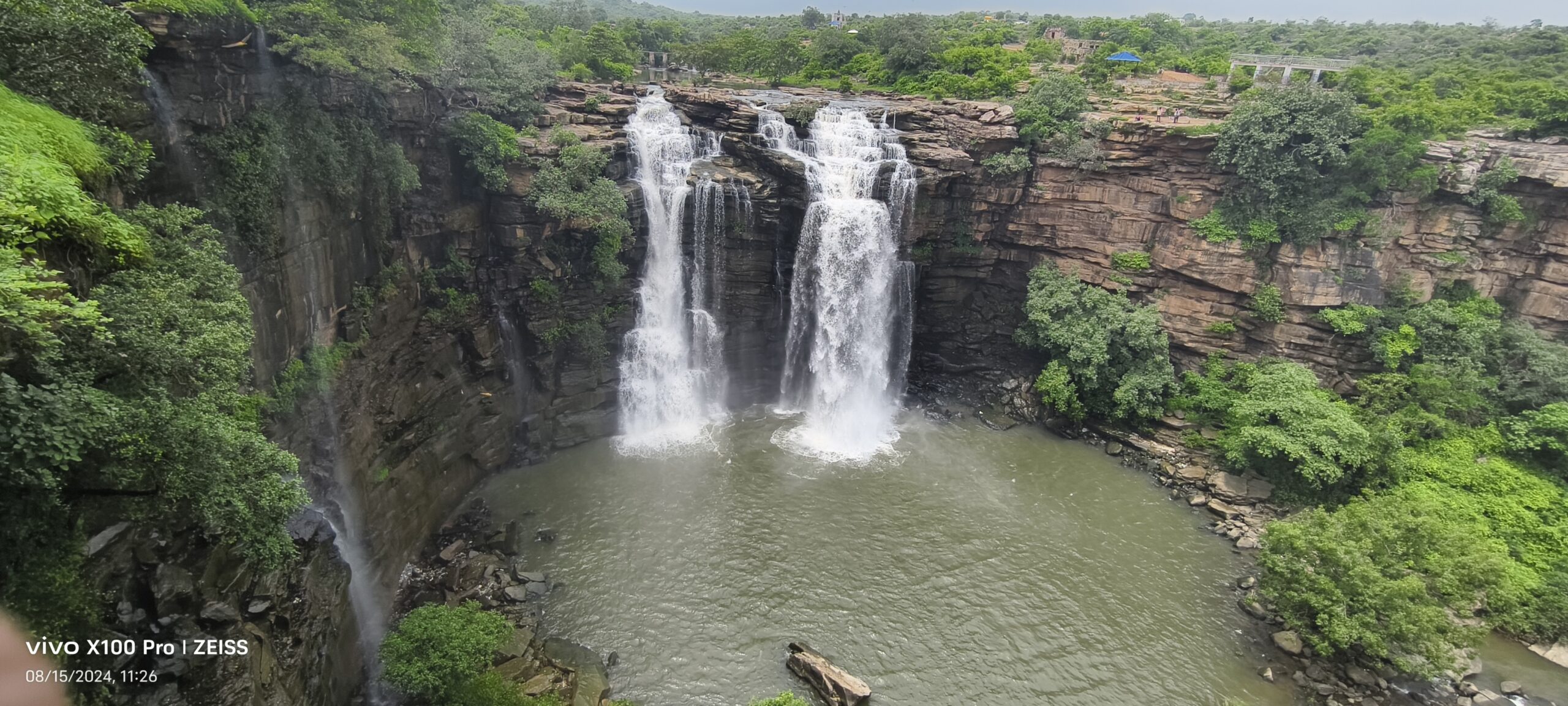
Rohtasgarh Fort on the Kaimur plateau, Sher Shah Suri's tomb and monsoon waterfalls.
Reviewed by Ghumo Bihar team
About Rohtas
Rohtas, in south-west Bihar, is where the plains meet the Kaimur hills. High on the plateau stands Rohtasgarh, one of the largest hill forts in India. Sher Shah Suri took it in 1539, and under Akbar’s general Raja Man Singh it got the palaces and gateways you see today. The climb up, about 2,000 steps or a rough jeep road, rewards you with wide views over the Son valley.
In Sasaram, the district town, Sher Shah Suri’s great tomb rises from the middle of a lake, one of the finest Afghan-style monuments in India. After the monsoon, the Kaimur hills come alive with waterfalls such as Manjhar Kund, Dhuan Kund and the falls at Tutla Bhawani, which make Rohtas a favourite rainy-season escape from Patna.
Places to visit
8 places, best first. Timings and fees change often, so check before you go.
A huge hill fort on the Kaimur plateau, with palaces and gateways from Man Singh's time and wide views over the Son valley.
The great tomb of Sher Shah Suri, rising from the middle of a lake in Sasaram.
Two waterfalls near Sasaram that are at their best after the monsoon. Dhuan Kund gets its name from its mist.
A waterfall and Durga temple in a gorge, crowded during Navratri.
The tomb of Sher Shah's father, also in Sasaram.
A Shiva cave shrine in the Kaimur hills, reached by a forest trek; busiest in Sawan.
A lesser-known fort of Sher Shah on a hilltop in the Kaimur range.
A long barrage on the Son river at Dehri, good at sunset.
Nearby, add to the same trip: Kaimur Wildlife Sanctuary, Mundeshwari Temple in Kaimur district (one of India's oldest functioning temples), and Bodh Gaya.
Travel with Ghumo Bihar
Tulta Bhawani Waterfall, Karamchat Dam and the mountain vibes.
No group date announced yet. Tell us when you'd like to go and we'll let you know first, or plan a private trip below.
Private trip
When to go
Go from July to October for the waterfalls, and from November to February for the fort climb in cool weather. Avoid April to June, when the plateau is very hot.
July–October
Green hills, full waterfalls, warm and humid
Best for waterfalls. Paths are slippery; wear good shoes and follow local advice near the falls.
November–February
Cool and clear
Best for climbing to Rohtasgarh and long sightseeing days.
March–June
Very hot, up to 45°C
Waterfalls are dry; not recommended.
Getting there
Drive from Patna to Sasaram (about 160 km), then on to Rohtasgarh or the waterfalls. Trains to Sasaram and Dehri-on-Sone are another good option.
About 160 km to Sasaram, 4 hours; 200 km to Rohtasgarh
The easiest way to cover the fort and the falls.
About 3–4 hours
Sasaram is on the main Delhi–Howrah line via Ara.
About 120 km to Sasaram, 3 hours
Varanasi has the nearest big airport.
On the ground
Sights are far apart, so a car for the trip is essential.
The last stretch to Rohtasgarh is a steep climb of about 2,000 steps, or a rough road by 4x4 from the Rohtas side. Start early and carry water and snacks.
Stay in Sasaram or Dehri-on-Sone, which have the most hotels. Choice is limited, so book ahead in the monsoon season.
Questions
About 200 km by road, around 5 hours, via Ara and Sasaram.
July to October for waterfalls, and November to February for the fort in cool weather.
It is about 2,000 steps and takes 1.5–2 hours for most people. It is steep but manageable with breaks.
Manjhar Kund, Dhuan Kund and the falls at Tutla Bhawani are the best known, and they are fullest from July to October.
Yes. We run group trips in the monsoon season and plan private trips from Patna.
Nearby
The ancient capital of Magadh, where Buddha preached and Mahavira taught. Green hills, hot springs, a ropeway and a glass bridge, just over two hours from Patna.
Read the guideThe ruins of the world's great ancient university, a UNESCO World Heritage Site 15 minutes from Rajgir.
Read the guide